

Introduction
Web hosting is the foundation of any website, providing the infrastructure to store and deliver your site’s files to users worldwide. Web hosting is responsible for making your website accessible on the internet, ensuring the text, images, and functionality are available 24/7. Without reliable web hosting, even the most advanced website would be invisible, affecting personal blogs, small businesses, and global enterprises alike. Hosting determines your site’s performance, security, and scalability, directly influencing user experience and search engine rankings.
The history of web hosting dates back to the early 1990s, when the internet was in its infancy. Early hosting involved shared servers managed by academic institutions or ISPs, with limited bandwidth and storage. By the late 1990s, commercial hosting was already a thing, with platforms like GeoCities offering free web hosting, albeit with ads and restrictions. In the next century, dedicated and VPS hosting were introduced, giving users more control and speed. The 2010s saw cloud hosting revolutionize the industry with scalable, distributed systems from providers like AWS and Google Cloud. As of 2025, the global hosting market is valued at over $200 billion and is projected to reach $832.1 billion by 2032, driven by AI automation, edge computing, and eco-friendly data centers.
Web hosting integrates with the broader internet ecosystem, which includes domains (your site’s address, e.g., example.com), servers (physical or virtual machines hosting files), and DNS (Domain Name System, which translates domains to server IP addresses). Together, these components ensure seamless connectivity between users and websites, forming the backbone of the digital world.
How Web Hosting Works
Web hosting revolves around servers, which are basically powerful computers designed to store, process, and deliver website data. These servers are usually housed in data centers with robust yet reliable power supplies, cooling systems, and high-speed internet to ensure high availability. When a user visits your website on the web, their browser sends a request to the server via the client-server model: the client (user’s device) communicates with the server using the HTTP/HTTPS protocol. The server then processes the request, retrieves necessary files/databases, and sends back the content (HTML, CSS, images) for display.
Key components include:
- IP Addresses: Unique numerical identifiers (e.g., 192.0.2.1) that locate servers on the internet.
- DNS: IP addresses are generally lengthy and complex to remember. The Domain Name System (DNS) acts like a phonebook and maps domains to IP addresses for easy access.
- Data Storage/Transmission: Website files are generally stored on SSDs or HDDs; these files are transmitted via high-speed networks, with bandwidth determining how much data can be transferred.
This process ensures that websites load quickly and reliably, with modern hosting leveraging global data center networks for minimal latency.
Types of Web Hosting
Various type of web hosting exists that power your site, and choosing the right hosting type depends on your site’s size, traffic, and technical needs. Here’s a detailed breakdown of various types of web hosting, making it easier for you to choose the best fit.
Shared Hosting
Shared hosting is the most basic and popular web hosting service that shares a single server’s resources (CPU, RAM, storage). These are the most affordable options in the market, ranging from ($2-5/month), beginner-friendly with pre-configured setups, and often include free domains/SSL.
Cons: Limited resources, slower speeds if other sites hog resources, and higher security risks; not suitable for growing sites or an e-commerce site that experiences a sudden traffic surge.
Use Cases: Ideal for small sites, blogs, or startups with low traffic. In Nepal, providers like Prabhu Host offer shared hosting plans starting at just NPR 100/month with free SSL.
VPS (Virtual Private Server) Hosting
VPS refers to a physical server that is divided into virtual servers and provides each site with a dedicated resource. This offers better control (custom software, root access), scalability, and better performance than shared hosting.
Cons: Higher cost ($20-50/month), requires technical knowledge for setup and maintenance.
Use Cases: Medium-traffic sites (10,000-100,000 visitors), e-commerce, or apps needing customization. For the best VPS web hosting in Nepal, consider Prabhu Host for its cheap yet high-performance and secure servers.
Dedicated Hosting
Dedicated hosting refers to high-end servers which is entirely reserved for your site. Established businesses often use dedicated servers for complete control, maximum performance, and enhanced security options.
Cons: Expensive ($100+/month), requires significant management (updates, patches, time).
Use Cases: Large enterprises, high-traffic sites (100,000+ visitors), or those handling sensitive data (e.g., financial platforms).
Cloud Hosting
Cloud hosting is a new concept, where resources are distributed across multiple virtual servers in a cloud network, ensuring redundancy and high availability on the web. Cloud hosting is highly scalable and smoothly handles sudden traffic spikes. With its pay-as-you-go pricing, it is also cost-effective and highly reliable in case of server failures.
Cons: Costs can fluctuate, and setup may be complex.
Use Cases: Sites with unpredictable traffic (e.g., news portals, seasonal e-commerce). Cloud hosting is growing in Nepal for its flexibility.
Managed Hosting (e.g., WordPress-specific)
Managed hosting refers to web hosting services where the host is responsible for all technical tasks, such as updates, backups, and optimizations, often tailored to platforms like WordPress hosting. It requires no technical knowledge from users, offers optimized performance (e.g., WordPress-specific caching), and also includes support.
Cons: Less flexibility and higher costs compared to standard shared plans.
Use Cases: CMS-based sites, especially for non-technical users. Web hosting for WordPress is popular for blogs and small businesses.
Other Types:
- Reseller Hosting: Buy hosting in bulk and resell it under your brand; suitable for agencies.
- Application Hosting: Application-specific web hosting for your Node.js and Python applications. These web hosting services come with a highly optimized environment for your applications.
- E-commerce Hosting: Web hosting services optimized for e-commerce sites, built on platforms like WooCommerce, Shopify, etc.
- Free Web Hosting: Platforms like Weebly or WordPress.com offer free hosting but with ads, limited storage, and no custom domains. Free web hosting in Nepal is available through trials or global platforms, but it is limited for professional use.
Key Features to Look for in a Web Host
With thousands of web hosting providers on the web, choosing the right one for your site can be a tricky and confusing task. It requires careful evaluation of features that align with your needs, and most importantly, transparent pricing. Here are some features you might look for in a web hosting provider.
- Uptime and Reliability: Do not settle for uptime guarantees of less than 99.9%; uptime refers to the amount of time your site is online on the web. Cross-check the historical uptime of your host with tools like Pingdom.
- Bandwidth, Storage, Data Transfer: Ensure sufficient limits (e.g., 100GB storage, unmetered bandwidth). SSDs (faster than HDDs) are standard in 2025.
- Speed and Performance: Server location matters a lot; Nepal-based servers like those from Prabhu Host reduced latency for local users. Features like NVMe SSDs, HTTP/3, and caching boost speed.
- Security Features: Security features are essential for web hosting, especially for sites that handle sensitive user data. Check for free SSL, firewalls, malware scanning, DDoS protection, and automated daily backups.
- Customer Support: While most of the time you may not need Customer support, when you do, it had better be available 24/7 through various mediums like live chat, phone, or tickets.
- Scalability: Plans should allow easy upgrades (e.g., shared to VPS) without downtime or data loss.
- Additional Tools: Look for web hosting cPanel, one-click CMS installs (e.g., Softaculous for WordPress), email hosting, and staging environments.
Choosing the Right Web Host
Here’s a step-by-step guide for choosing the right web hosting provider. These steps narrow down your options to the most genuine providers, enabling you to select the one that best suits your needs.
- Assess Needs: The first step while choosing the right provider is to assess your needs and requirements. Estimate your monthly traffic, site type, and budget. Web hosting for beginners often starts with shared plans, and you can scale from there.
- Compare Providers: Evaluate pricing (monthly vs. annual, beware of renewal rate hikes), features, reviews, and support. In Nepal, you may provide various options as follows.
| Provider | Introductory Pricing (Monthly) | Key Features | Reviews | Support |
| Prabhu Host | ~Rs 100 | cPanel, SSD (1–100 GB), free SSL/backups/migration, WP optimized, 99.9% uptime | ⭐⭐⭐⭐⭐ | 24/7 chat/email, award-winning, Nepal-based |
| Hostinger | $11.99 (~Rs 1,600) | 25+ sites, 25 GB SSD, free domain/SSL/CDN, AI builder/SEO, WooCommerce starter, 99.9% uptime | ⭐⭐⭐ | 24/7 multi-language, <2-min response |
| StableCluster | Rs 250 | Unlimited bandwidth/domains/email, NVMe/SSD (25 GB+), DDoS/malware protection, 1-click installs | ⭐⭐⭐⭐ | 24/7 in-house Nepal support, fast |
| Yoho Cloud | Rs 150 | Unlimited (higher plans), SSD (3 GB+), LiteSpeed/CDN, WAF/Imunify360, free SSL/backups (30 d) | ⭐⭐⭐⭐ | 24/7 monitoring, reliable Nepal team |
- Check Reviews: Use Trustpilot, HostAdvice, or WebHostingTalk for user feedback. Verify uptime with tools like UptimeRobot.
- Look for Perks: Free trials, 30-day money-back guarantees, and free migration services reduce risk. Test out their services, customer support, and performance during the free trial.
- Consider Green Hosting: Eco-conscious hosts use renewable energy or carbon offsets, a growing trend in 2025.
For the best web hosting in Nepal, PrabhuHost and Yoho Cloud stand out for affordability and local support, while global providers like Hostinger offer robust features at an expensive price.
Domain Names and Registration
A domain is your website’s address (e.g., prabhuhost.com) that points to a specific IP address. A domain is distinct from hosting. You can think of the domain as a simple signpost and hosting as the building. You can register domains via registrars like Prabhu Host,
- Domain registration starts with searching for an available domain name and desired extension. You can do it through Prabhu Host’s domain checker.
- In case your domain name is already registered, you can choose an alternative or a different domain extension. Various domain extensions come with different pricing; we recommend the .com domain for professionalism and standard industry practice.
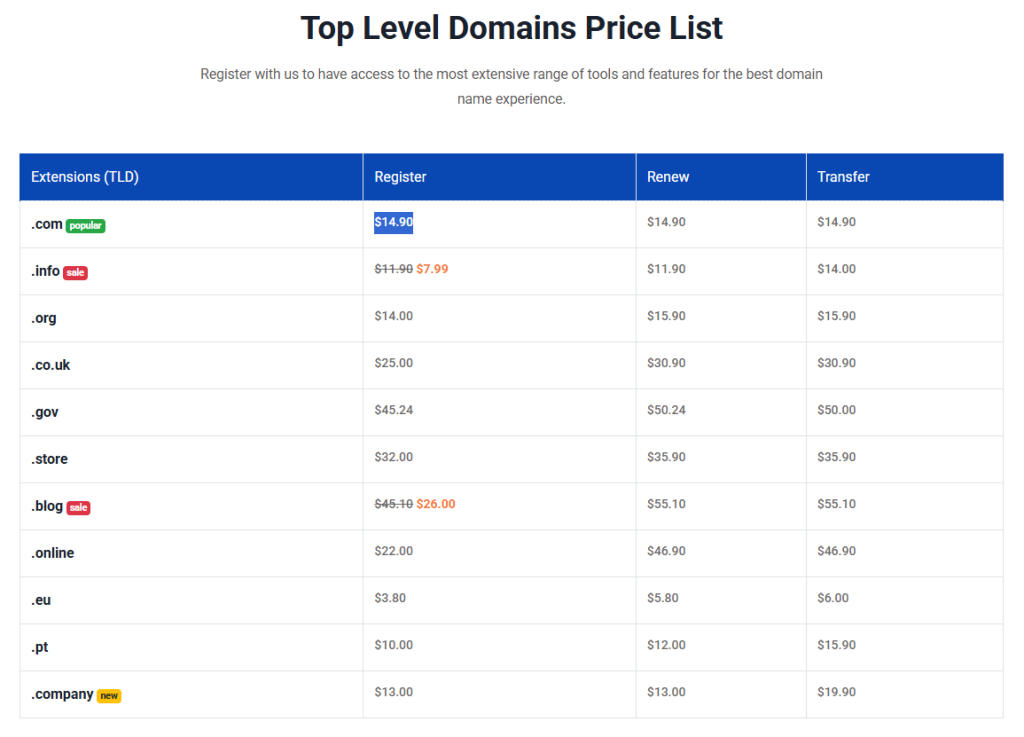
- Register and pay for a .com domain with Prabhu Host for just NPR 2000/year. Moreover, you can also purchase our combo plans that come with a free .com for the first year.
- Connect to hosting by updating DNS records or nameservers in the registrar’s panel (e.g., ns1.prabhuhost.com).
For further security, you can enable domain privacy ($5-10/year) to hide WHOIS data (name, address) from public view, reducing spam. With Prabhu Host, you get free domain registration for the first year without combo plans.
Setting Up Your Website on a Host
So, after you are all set with your website and your desired web host, here’s a step-by-step guide to launch your site:
- Sign Up: After assessing your website needs, choose a plan, register, and verify your account.
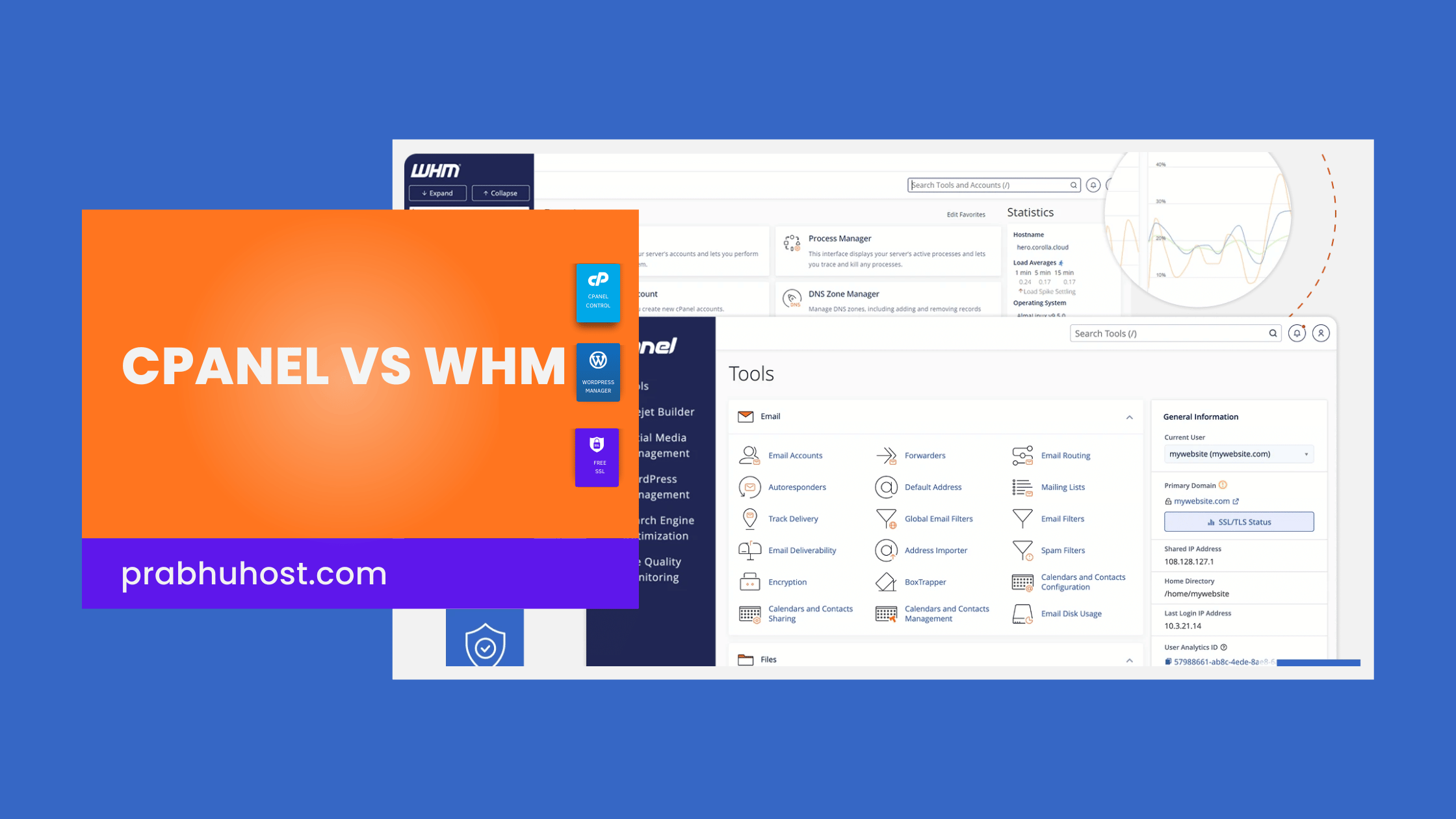
- Install CMS: Prabhu Host offers free one-click installers like Softaculous in cPanel for WordPress, Joomla, or Drupal. Utilize this to jumpstart your web hosting journey.
- Upload Files: Use FTP/SFTP (via FileZilla) or the file manager to upload HTML, images, or scripts.
- Configure Services: Set up email accounts (e.g., info@yourdomain.com) and databases (e.g., MySQL for dynamic sites).
- Launch and Test: Point your domain to the host, then test for functionality, speed (via Google PageSpeed), and mobile responsiveness.
Security Best Practices
As you get online, you are exposed to various threats, and security should be your next step. Here’s a simple checklist you can follow to safeguard your site.
- HTTPS and SSL: HTTPS encrypts data; get free SSL with any web hosting plan from Prabhu Host. This builds trust among your clients and safeguards your data transmission.
- Regular Updates: Make sure you are up to date with the latest CMS version, plugins, and server software updates to patch vulnerabilities.
- Strong Passwords and 2FA: Follow industry best practices by using complex passwords and enabling two-factor authentication.
- Backups: Choose a host that offers daily automated backups, which are essential to store data in case of server failures.
- Threat Mitigation: Make sure your host offers firewall, malware scans, and DDoS protection. Monitor for hacking/phishing attempts via tools like Sucuri.
Performance Optimization
Ultimately, what we seek in a web host is performance, and beyond what your host offers, there are some optimization tips you can use to make sure clients get top-notch performance. In addition, this also boosts user satisfaction and SEO.
- CDNs: Content Delivery Networks like Cloudflare are free and great for caching content globally. This reduces load times across various locations.
- Caching: Implement server-side caching like LiteSpeed (Prabhu Host offers for free), also make full use of browser caching via HTTP headers.
- Optimization: Compress images and files using tools like TinyPNG, Squoosh, and minify CSS/JS, and also enable lazy loading.
- Monitoring: Integrate Google Analytics or New Relic to track performance and user behavior, and use these metrics to tweak and optimize your site performance.
Pricing and Plans
Pricing and plans are subject to providers, location, and features. But here’s a realistic pricing structure that follows Prabhu Host pricing and gives you an idea of what to expect in the Nepali market. We’ll be comparing pricing with features for Shared, Cloud, VPS, and Dedicated hosting.
| Hosting Type | Plan Name | Pricing (Monthly / Annual, Renewal Notes) | Key Features |
| Shared Hosting | Personal Lite | NPR 100/month when billed annually at NPR 1,200 | 1GB SSD storage, one website, unlimited bandwidth, cPanel, free SSL, daily backups, free migration, WordPress optimized, 99.9% uptime, email accounts, Softaculous installer. |
| Cloud Hosting | Cloud Basic | NPR 300-600/month | SSD storage, unmetered bandwidth, cPanel, free SSL, daily backups, malware scanner, DDoS protection, scalable resources, multiple data centers (Nepal, UK, US). |
| VPS Hosting | VPS CL11 | NPR 1,500/ month | 1 vCPU, 2GB RAM, 20GB SSD, full root access, 100% SSD, free DDoS protection, multiple data centers including Nepal, instant provisioning, latest PHP/MySQL, free migration, 24/7 support. |
When selecting a provider, be cautious of hidden fees, including setup costs, domain renewals, and add-ons like backups. Most international providers carefully charge you extra for features like SSL, backups, or hike renewal prices by 300%. Always compare value instead of pricing, as cheap web hosting often skimps on support and performance. Startups can start with shared plans, while established sites may need scalable VPS or cloud options.
Migrating to a New Host
Migrating is always a better option than being stuck with a poor provider. You can switch hosts for better performance, lower costs, or improved support. Most providers, like Prabhu Host, offer free website migration and better performance.
Here’s how to migrate safely to a better host:
- Backup: Make sure you back up all your data, files, and emails both locally and in the cloud.
- Transfer: Upload backups to the new host via FTP or migration tools your provider offers. You can also use All-in-One WP Migration for WordPress.
- Update DNS: Change nameservers via cPanel if offered, and wait for 24-28 hours for propagation.
- Test: Always test the performance and security by running benchmarks before committing to a provider. Make sure your provider offers a free 30-day trial, and check thoroughly before migrating completely.
- Verify functionality before canceling the old host.
Prabhu Host offers 100% free migration handled by our experts that causes no downtime or data loss. Furthermore, with an intuitive control panel and 30 30-day free trial, you can test thoroughly before committing.
Trends and Future of Web Hosting
With digitalization taking over the world, the hosting industry also sees a rapidly increasing environment. Thus, here are some future trends you must be aware of:
- Edge Computing/Serverless: Run code closer to users without managing servers, reducing latency.
- AI Automation: AI optimizes server management, predicts traffic, and enhances support.
- Sustainability: Green hosting with carbon-neutral data centers is a priority, with providers like GreenGeeks leading.
- 5G and IoT: Faster networks and connected devices demand low-latency, scalable hosting.
- Multi-Cloud/Hybrid: Combine multiple cloud providers for flexibility and redundancy.
Free Hosting: Debunking the Myth
Free web hosting often sounds appealing, especially for beginners in Nepal looking to launch a website without upfront costs, but the reality is far less glamorous. Providers like 000webhost or InfinityFree offer free plans, but these come with significant trade-offs: limited storage (often 1–5GB), capped bandwidth, intrusive ads, no custom domain support, and lower uptime. Security is another concern, with minimal protection against malware or DDoS attacks, and support is often nonexistent. While free hosting may work for hobby projects, it’s unreliable for professional sites, where affordable paid plans (starting at ~Rs 100/month) offer better performance, free SSL, and 24/7 support, debunking the myth that free hosting is a viable long-term solution.
FAQs
What is meant by web hosting?
Web hosting is a service that allows individuals or businesses to store their website files on a server, making them accessible on the internet. Your web host provides the technology and resources, like storage, bandwidth, and security, needed to keep your site online, fast, and secure. You pay these hosts to make your site accessible throughout the web, and the costs depend on the type of web hosting you purchase. Popular providers in Nepal include Prabhu Host and Yoho Cloud.
How much does it cost to host a website in Nepal?
Website hosting costs in Nepal vary by provider and the plan you desire. Entry-level shared hosting starts from as low as Rs 100-250/ month (Prabhu Host’s Personal Lite Plan). Cloud hosting ranges from Rs 300-700/month, while VPS can cost Rs 1500/month or above. When selecting a web host, prioritize value over initial costs, as renewal fees and add-ons can quickly surpass the initial price.
What are the types of web hosting?
While there are countless types of web hosting services for various platforms and user needs, the most popular types of web hosting are shared hosting, Cloud hosting, and VPS hosting. Shared hosting refers to an entry-level service where multiple websites share one server and its resources. Cloud hosting refers to modern web hosting where your files are stored on a cloud-based server that ensures higher availability and reliability of your site. VPS stands for Virtual Private Server, where you get dedicated resources within a shared environment. Other types include application hosting and managed WordPress hosting.
Is web hosting free?
Yes, multiple platforms offer free web hosting services, such as 000webhost or InfinityFree. Still, these services often come with limitations, including ads, limited storage/bandwidth, no custom domain, low performance, and unstable uptime. While free web hosting can suffice for test environments, for a serious business, an affordable option from Prabhu Host offers greater value in the long run.
Which web hosting is best for beginners?
For beginners, providers like Prabhu Host or the Yoho Cloud provide great value due to their affordability. They also come with a user-friendly cPanel, one-click WordPress installs, free SSL, and 24/7 customer support. These platforms also support local and international payment options.
How to get web hosting?
To get the perfect web hosting, start by assessing your needs, such as storage, performance, and traffic expectations. Choose a provider that provides the most value given your expectations. Select the plan based on your resource needs. Register a domain or get a free .np domain. Easily set up your site via cPanel or a CMS like WordPress. Launch your site and monitor performance. In case you feel stuck, you can always reach out to Prabhu Hot support for professional guidance.
Conclusion
Web hosting is the backbone of your online presence, offering options from cheap shared plans to robust cloud solutions. The key to flawless performance is selecting the right web hosting provider, which can be achieved by prioritizing value over affordability. In Nepal, providers such as Prabhu Host, Yoho Cloud, and StableCluster, as well as global providers like Hostinger, offer services tailored to local needs. Always start with a simple plan tailored to your traffic and budget, and scale as your site grows. To understand more about web hosting and services provided by Prabhu Host, feel free to reach out at support@prabhuhost.com